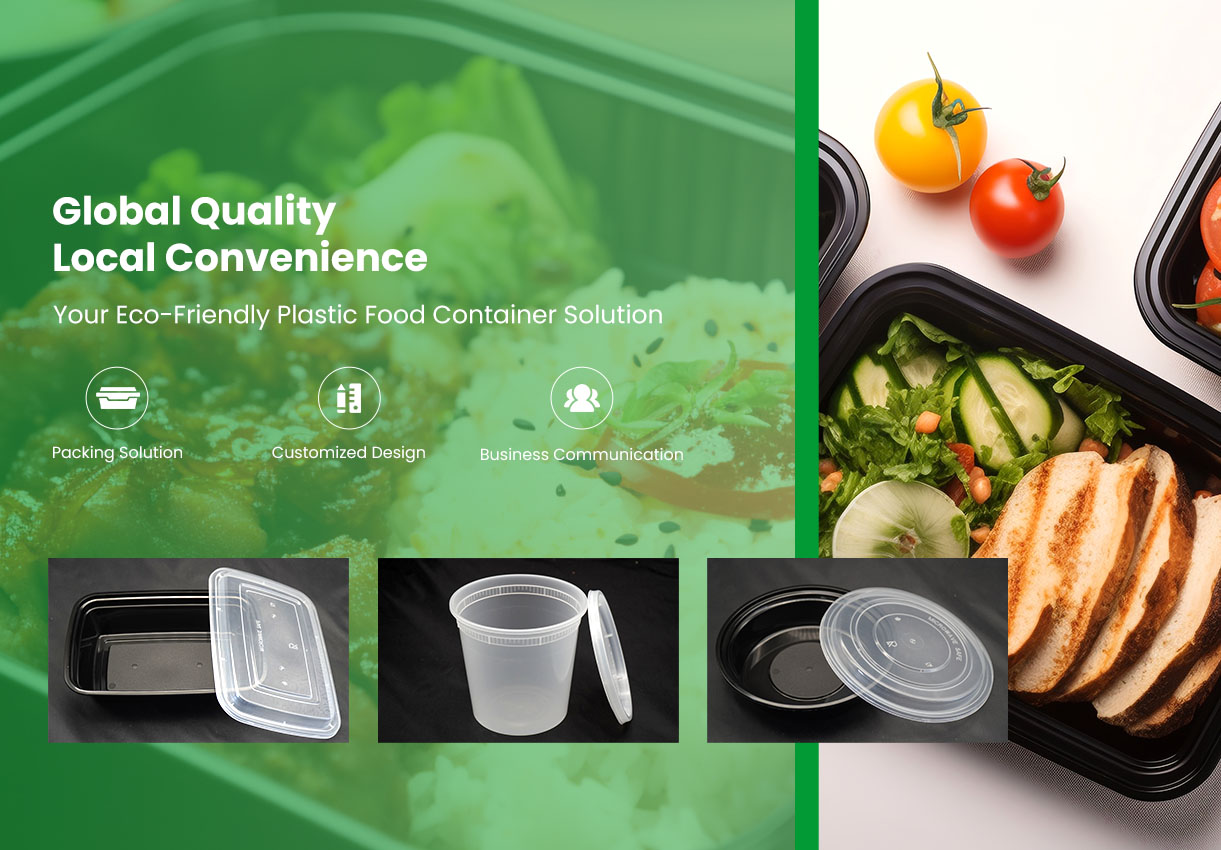
Takeout is no longer a side channel for restaurants. It has become a core part of daily operations, which means packaging now affects food quality, customer satisfaction, and operating costs at the same time.
Choosing the right food packaging supplier is no longer only about price. It is about food safety, delivery stability, product consistency, material options, and the ability to support changing market demand. In the modern food packaging industry, buyers need packaging that protects food, supports daily operations, and fits both regulatory and commercial expectations.
Food delivery has changed how meals are prepared, transported, and consumed. For restaurants and cloud kitchens, packaging is no longer a simple afterthought. It directly affects food temperature, leak prevention, product presentation, customer satisfaction, and repeat orders.
Unopened cartons of disposable plates look simple to manage, but storage conditions can quietly decide whether the product arrives to the serving line clean, flat, and presentation ready. From a manufacturer view, most storage problems trace back to three risks...
Takeaway packaging is no longer a small purchasing task. It sits directly on top of food safety, delivery reliability, and brand perception. The demand signal is clear: the global online food delivery market generated about USD 288.8 billion in 2024 and is projected to keep growing through 2030.
Recycling takeaway packaging is possible, but it is not automatic. Real outcomes depend on three things: what the container is made from, whether local systems accept that material, and how clean the container is when it reaches sorting.
Heating food in takeaway packaging is possible, but only when the container material, lid design, and heating method match the real temperature and moisture conditions of the meal. In manufacturing, we treat reheating as a performance test that combines heat resistance, seal stability, and food contact safety, not just whether the box keeps its shape.
Freezing food in takeaway packaging is common in meal prep, central kitchens, and delivery operations. The short answer is yes, but only when the container material, lid seal, and fill practice match freezer conditions.
Disposing of biodegradable food containers sounds simple, but in practice it depends on what the container is made of, what certification it carries, and what waste system is available locally. From a manufacturer’s perspective, the goal is to help your packaging end its life as intended, avoiding landfill shortcuts and “wish-cycling” that can contaminate recycling streams.
Outdoor events move fast: lines get long, hands are full, and food is often served far from a kitchen. Disposable soup cups can be an excellent choice for outdoor service because they simplify portioning, speed up distribution, and reduce cleanup.