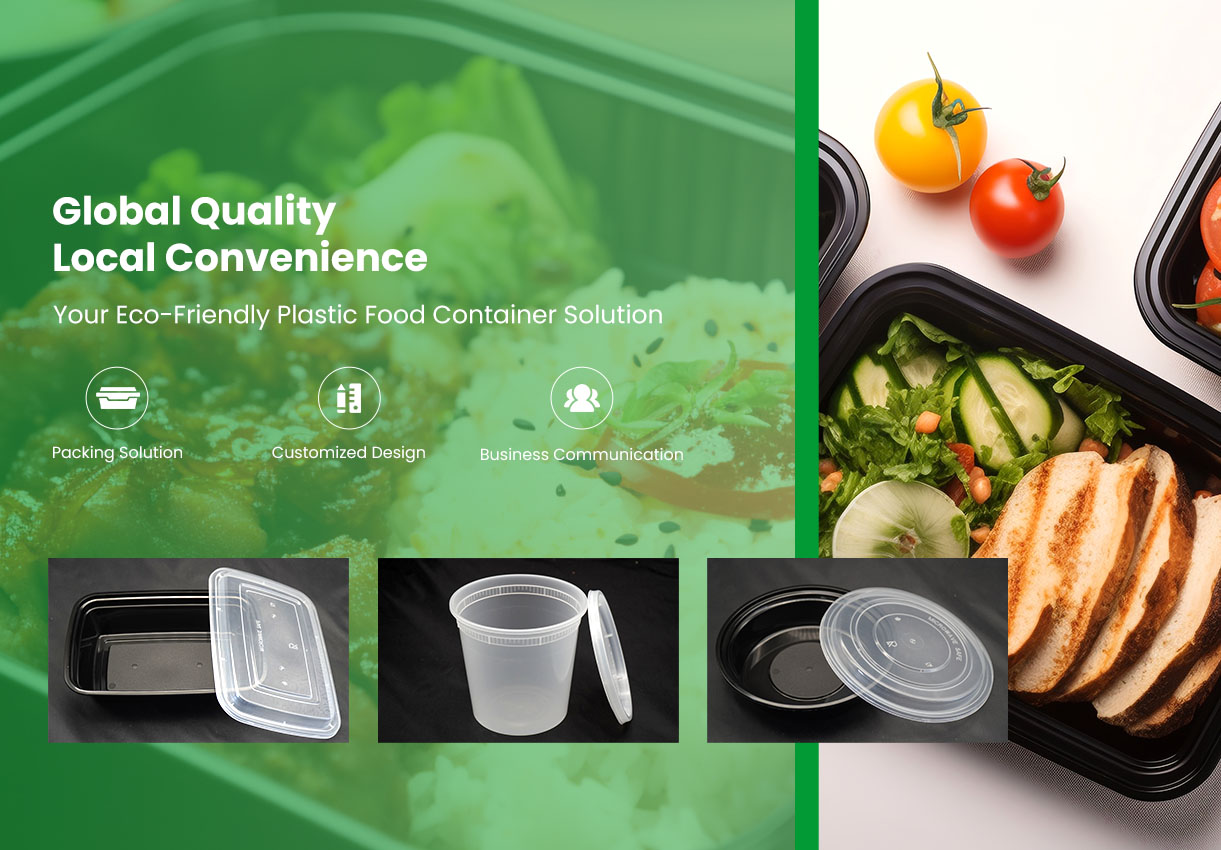
Food packaging compliance starts long before a container reaches the filling line. It begins with material selection, continues through manufacturing control, and ends with documentation that can stand up to customer review and market inspection.
Food packaging decisions often look simple at first, but for takeaway, delivery, and prepared meals, the material behind the container affects cost control, heat resistance, sealing stability, product appearance, and market positioning. That is why the discussion around PP vs biodegradable containers matters so much.
A reliable packaging partner does far more than deliver boxes and lids. In the modern food packaging industry, packaging quality affects food safety, transport stability, customer experience, and operating cost at the same time.
The short answer is that they can be, but only when the material, food safety compliance, product design, and disposal route all work together. Many buyers hear words like green, plant based, or degradable and assume the environmental result is automatically better. In practice, the answer is more technical.
A food container does more than hold a meal. It affects food safety, transport stability, shelf presentation, customer experience, and operating cost. Before placing an order, buyers need to look beyond shape and price. The real question is whether the container can protect food well, fit the menu, run smoothly on packing lines, and stay consistent across large-volume supply.
The global demand for disposable food containers continues to grow alongside takeaway and food delivery services. In 2026 alone, the market is valued at over USD 51.9 billion and is projected to reach USD 88.7 billion by 2036, driven by stricter compliance standards and changing consumption habits.
For foodservice operations, packaging is no longer a simple purchasing line. It affects transport efficiency, food protection, compliance, storage pressure, and customer experience at the same time. A weak cost plan often looks cheap at unit level but becomes expensive after leakage, oversized cartons, mixed inventory, and waste handling are added in.
Takeout is no longer a side channel for restaurants. It has become a core part of daily operations, which means packaging now affects food quality, customer satisfaction, and operating costs at the same time.
Choosing the right food packaging supplier is no longer only about price. It is about food safety, delivery stability, product consistency, material options, and the ability to support changing market demand. In the modern food packaging industry, buyers need packaging that protects food, supports daily operations, and fits both regulatory and commercial expectations.
Food delivery has changed how meals are prepared, transported, and consumed. For restaurants and cloud kitchens, packaging is no longer a simple afterthought. It directly affects food temperature, leak prevention, product presentation, customer satisfaction, and repeat orders.